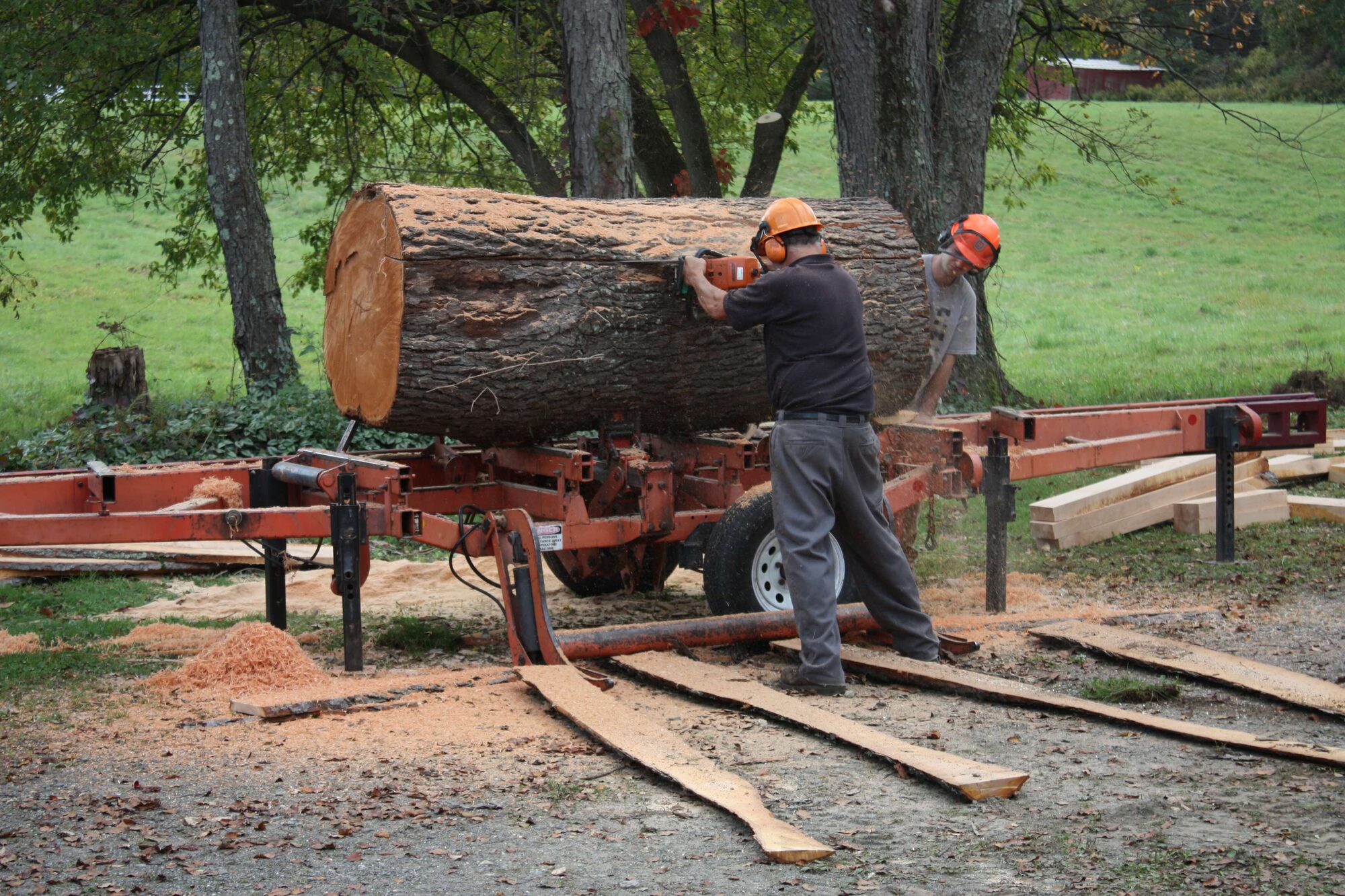
We can mill trees at your site or ours with our portable band sawmill. We can take down your trees and mill them, or mill trees that have already been felled. Although we don’t stock dimensional lumber, we can custom cut logs into planks of many widths and lengths, suited to fit your project — boards, beams, planks, posts, timbers, you name it.
At our shop we have many woods available: free-form mantel pieces and bar tops in stock or cut to order, fireplace mantels in cherry, walnut, maple, oak, pine and more — with the natural wane of the wood or cut with square or rounded edges. Custom designed, hand-built furniture too. Call for rates, local or out-of-state.
Which Wood Is Right for You?
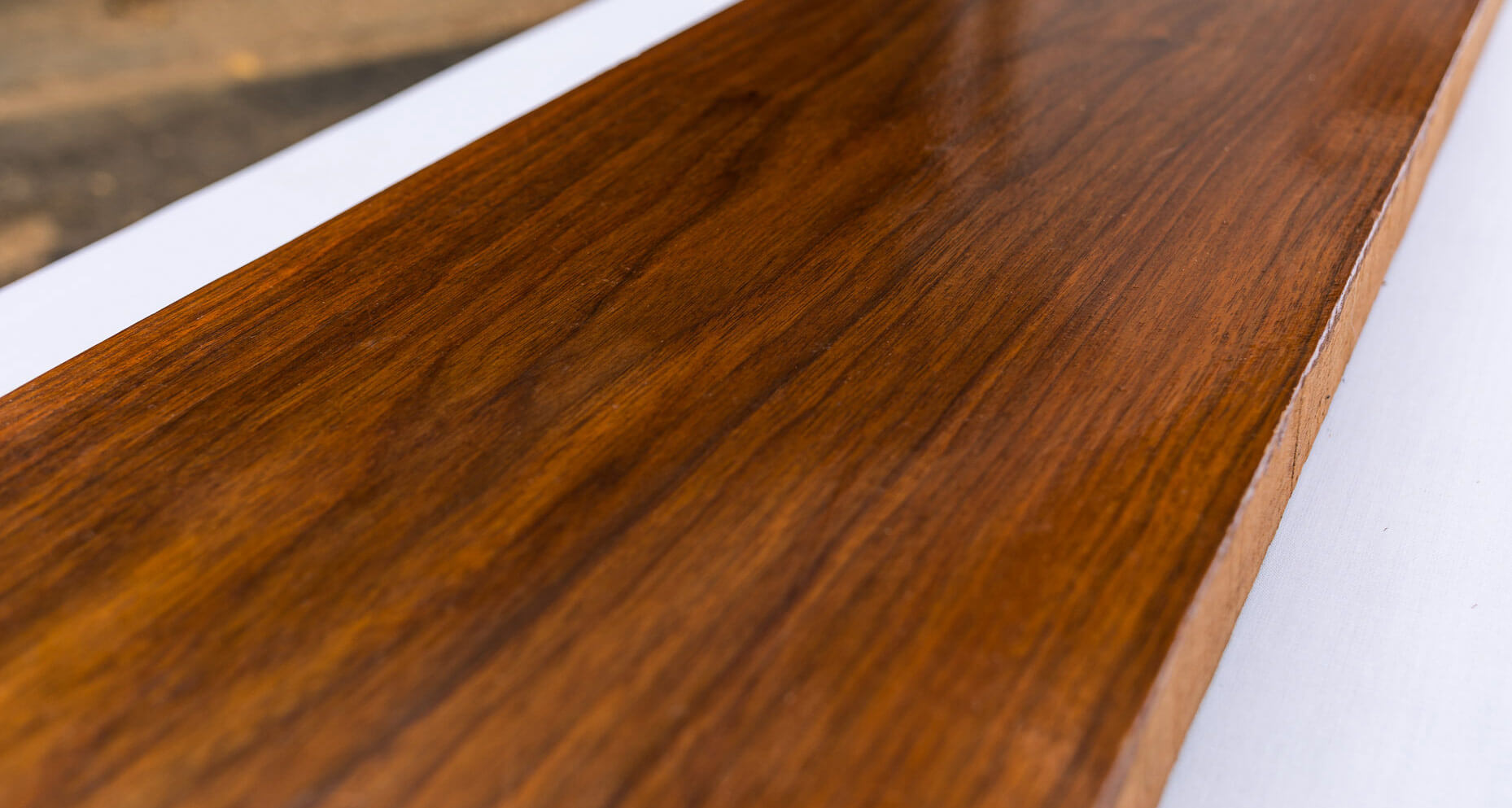
Walnut
A straight-grained hardwood ranging from chocolate brown to blond. A top pick for headboards, antique-style dining tables, and mantels — typically clear-coated or oiled to bring out its color.
Pros: Very strong and stable; takes intricate carving; beautiful color.
Cons: One of the more costly woods; color varies board to board.
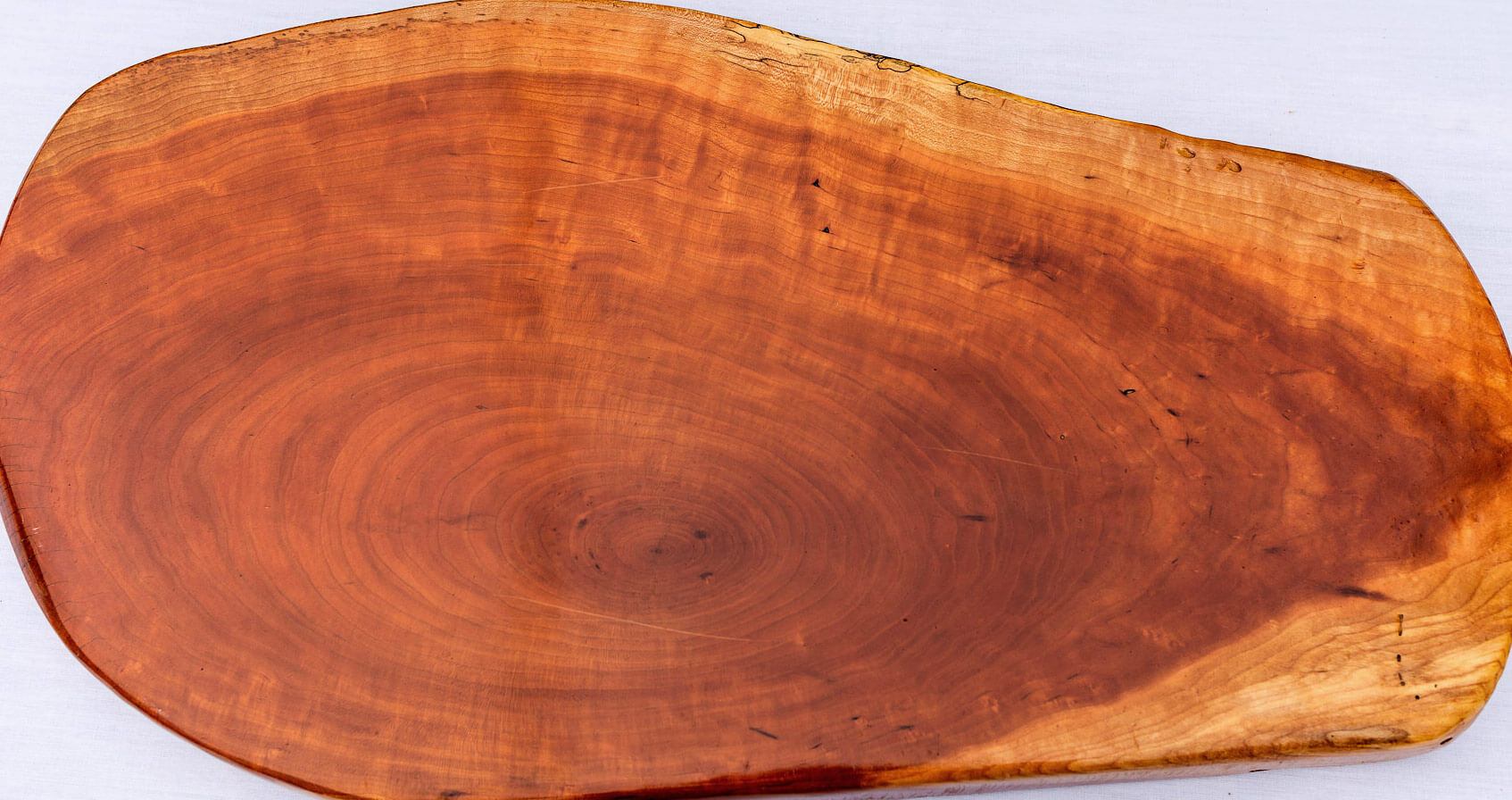
Cherry
A fine, straight-grained hardwood from reddish brown to blond. Seen in carved chairs and clean-lined Shaker tables and cabinets alike.
Pros: Easily shaped, polishes well, rich unstained color.
Cons: Pricier; color can darken with age.
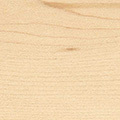
Maple
A creamy white hardwood, sometimes with a reddish tinge. One of the hardest species — the pick for heavy-use pieces like dressers and kitchen cabinets.
Pros: Affordable, ultra-durable, takes dark stains well.
Cons: Needs proper sealing before staining or it can blotch.
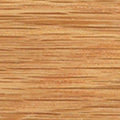
Oak
A very grainy hardwood in red and white varieties — the classic Arts & Crafts and Mission-style wood with a distinctive wavy grain.
Pros: Very durable, resists warping, a clear finish highlights the grain beautifully.
Cons: Heavy stain can exaggerate the grain into a two-toned look.
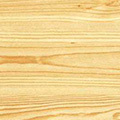
Pine
An inexpensive, lightweight wood, yellowish or whitish with brown knots — the farmhouse-table classic.
Pros: Low cost, takes paint well, develops a rustic patina, resists shrinking and swelling.
Cons: Softwood — prone to scratches and dents.
Specialty Slabs
We start with carefully selected logs from upstate New York. Lumber is stored under cover as it slowly air dries for up to two years — besides good logs, proper drying is the most important step in quality control.
Honey Locust
High quality, durable wood that polishes beautifully. Honey locust doesn’t grow in numbers that support bulk industry — which is exactly why a slab of it is special. Also prized for posts and rails thanks to its dense, rot-resistant nature.
Sycamore
American Sycamore is the largest hardwood species in North America, yielding lumber with very respectable dimensions. Properly seasoned, it shows up in cabinets, butcher blocks, and barrels — quarter and rift sawn boards are especially stable and figured.
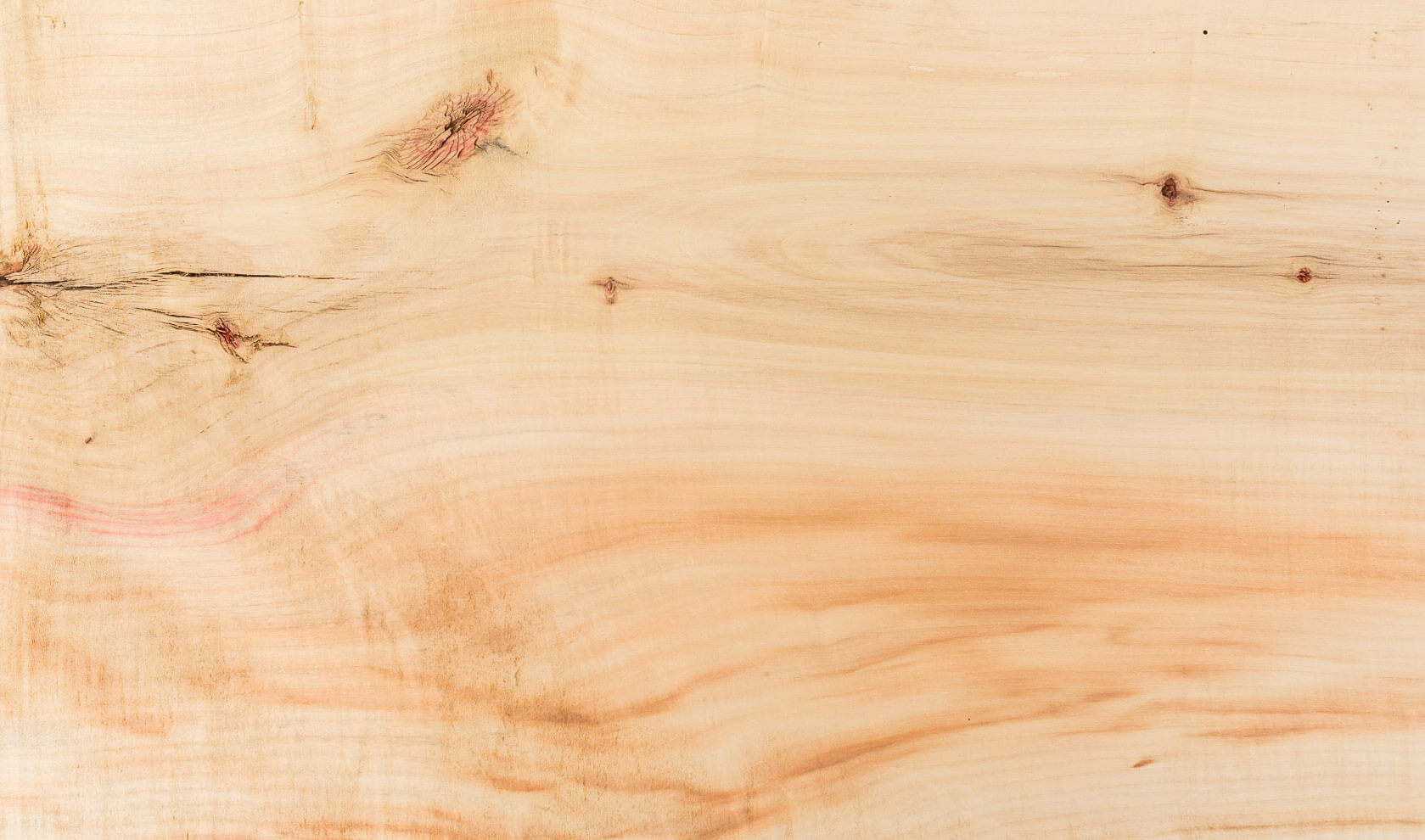
Box Elder Maple
A light wood that lends itself well to furniture projects. Spalted boxelder, with its raspberry streaks, is highly prized for accent work and turnings.
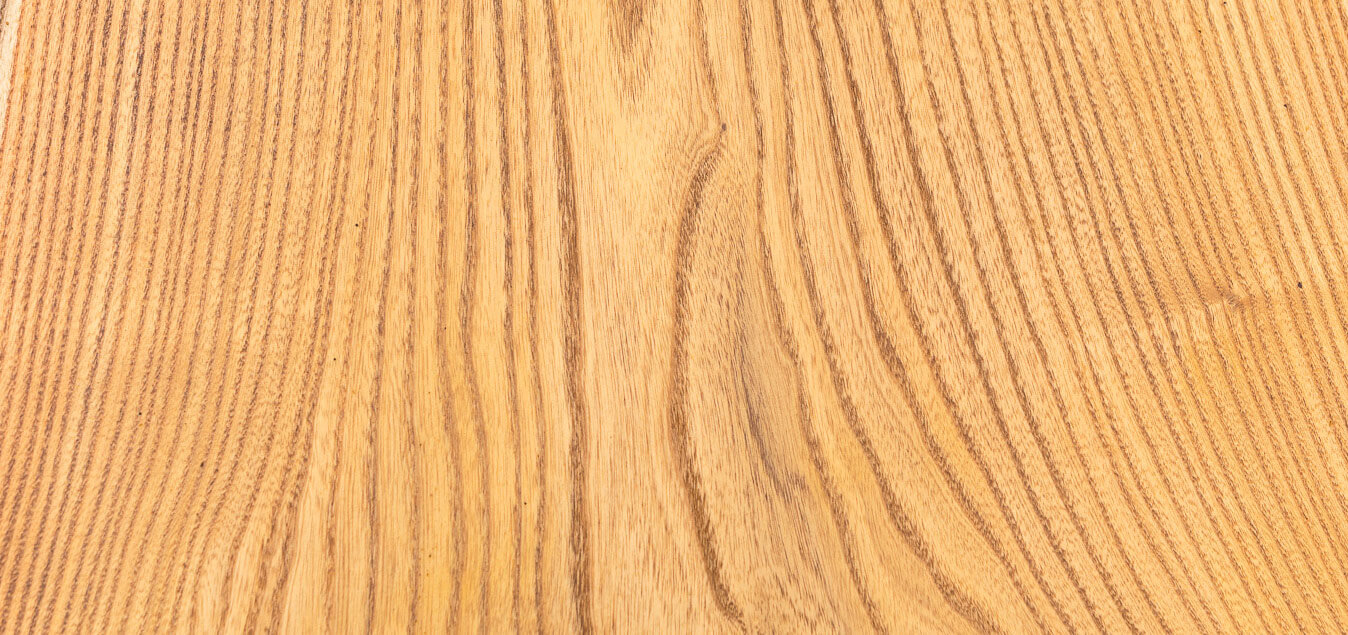
Catalpa
Heartwood ranges from grayish tan to a rich golden brown with a straight, open grain that resembles ash. Rated durable for decay resistance — a great choice that’s hard to find at a lumber yard.